
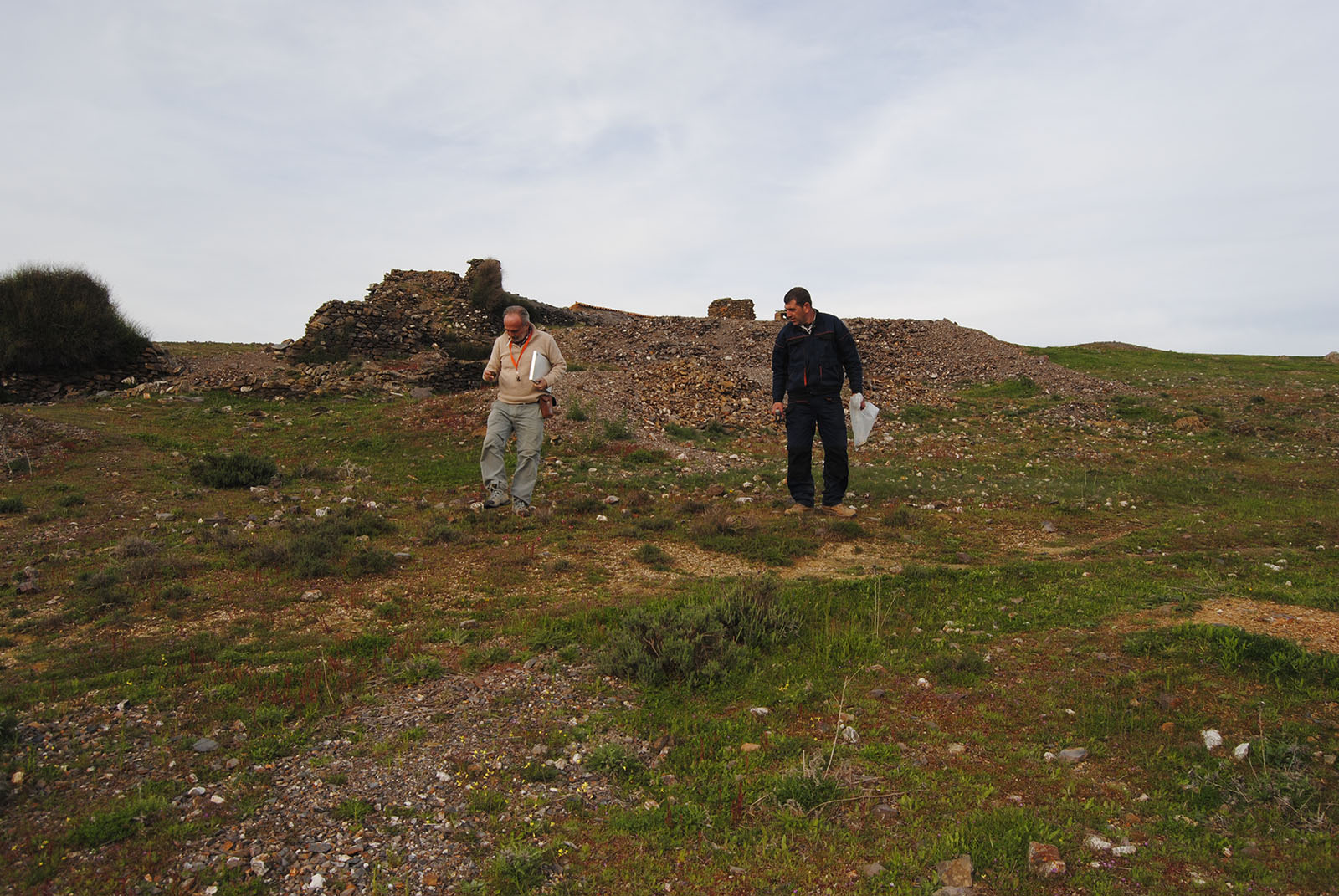
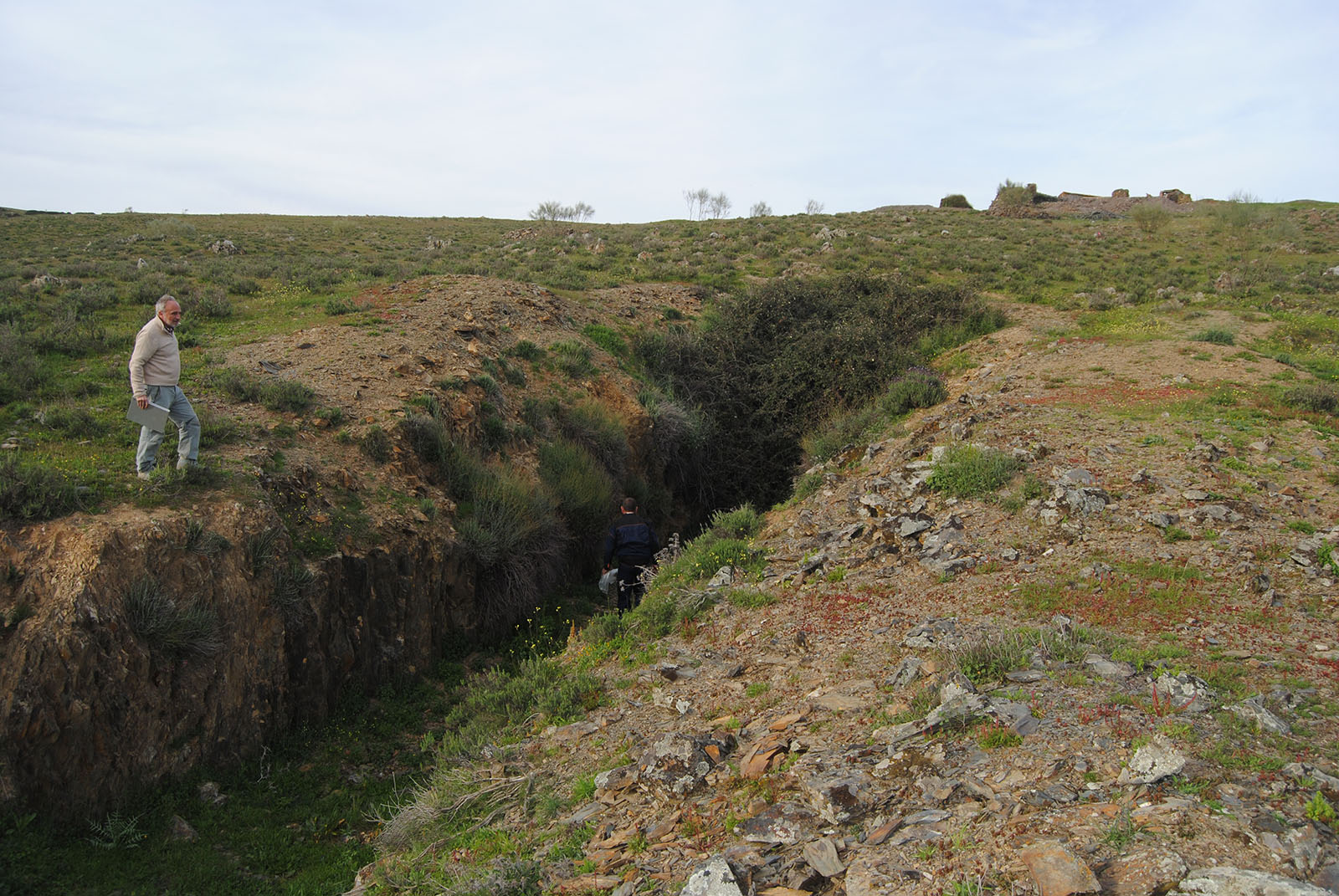
The southernmost tip of the Bolivian tin belt crosses the border into Argentina, where a single mine (Pirquitas) has produced tin from a lode systen and associated placers. Yearly production never exceeded a few hundred tons of tin. The mine was developed on several veins in metamorphosed shale and sandstone. The most important vein was about 3 feet wide and contained 3.5% tin. The vein minerals include quartz, cassiterite, pyrite, sphalerite, galena, proustite, stannite, pyrargyrite, polybasite, andorite, and marcasite.
Near the Bolivian border, at Cerro Pululus, and farther south at Pairique Grande, cassiterite is intergrown with specularite in veinlets in rhyolite, occurrences similar to those in Mexico and New Mexico. Southwest of Catamarca, province of Catamarca, cassiterite occurs in greisen zones in granite, in a region that contains many tungsten deposits (Ahlfeld, 1958, p. 46).
In the USGS’s 1969 report on Tin resources of the world, measured and indicated ore reserves in Argentina were assumed to equal to 10 years’ production at the 1965 rate of 343 long tons, or 3,430 long tons of tin. Undiscovered resources are assumed to be at least twice the known reserves, or 7,000 long tons.